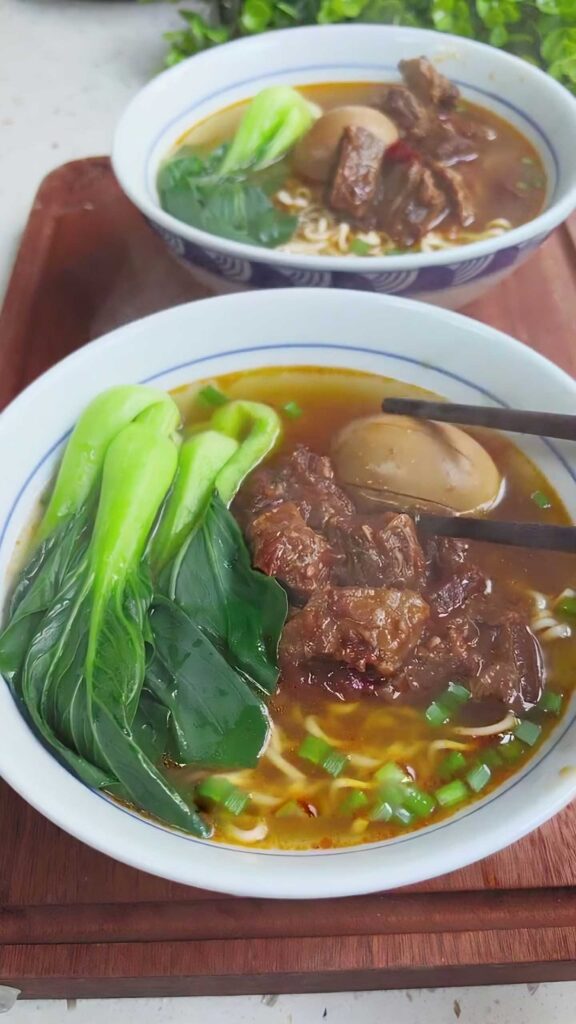
Homemade Chinese Beef Noodle Soup: Achieving Restaurant-Quality Tender Beef at Home
There's a special kind of magic in a bowl of homemade
Chinese beef noodle soup. It's a dish that transcends mere sustenance, offering a hug in liquid form, a comforting embrace that warms you from the inside out. For many, it evokes childhood memories of bustling kitchens and shared family meals. While often enjoyed in restaurants, the true satisfaction comes from crafting this hearty, flavorful masterpiece in your own kitchen – especially when you master the secret to unbelievably tender beef. Forget long waits and restaurant bills; with a few key techniques and quality ingredients, you can create a bowl that rivals, if not surpasses, your favorite eatery.
This article will guide you through the process, focusing on how to achieve that melt-in-your-mouth beef, a rich, aromatic broth, and perfectly complemented noodles, all while keeping it accessible for home cooks. Whether you prefer the speed of an Instant Pot or the traditional simmer of a stovetop, you're just a few steps away from a truly unforgettable bowl of
Chinese beef noodle soup. We'll even explore health-conscious adaptations, including paleo, keto, gluten-free, and Whole30 versions, demonstrating the versatility of this beloved classic.
The Heart of the Bowl: Unlocking Truly Tender Beef
The star of any great
Chinese beef noodle soup is undoubtedly the beef itself. Achieving that fall-apart, succulent texture is paramount to a restaurant-quality experience. It’s the element that often intimidates home cooks, but with the right approach, it’s surprisingly straightforward.
Choosing the Right Cut
The journey to tender beef begins with the right cut. For braising and slow cooking,
chuck roast is an unparalleled choice. Its marbling and connective tissue break down beautifully during the cooking process, transforming into rich gelatin that lends both flavor and an incredibly tender texture. Look for a well-marbled piece – fat equals flavor and moisture.
Mastering the Cooking Method
Once you have your beef, the cooking method dictates its transformation. Both the Instant Pot and stovetop are excellent options, each offering a slightly different experience.
*
Instant Pot: The Shortcut to Deliciousness
The Instant Pot is a game-changer for dishes that traditionally require long simmering times. It significantly cuts down on cooking duration while consistently delivering incredibly tender beef and a deeply flavored broth. Simply cube your chuck roast, combine it with water and your chosen aromatics and seasonings (more on this in the next section), and let the pressure cooker do its magic. While some purists might suggest blanching the beef first to remove impurities, many find it an unnecessary step, preferring to simply skim off any scum that rises to the surface during a brief initial boil or during the pressure release. The beauty of the Instant Pot lies in its hands-off approach; once set, you can walk away and return to perfectly cooked beef and a robust broth. For a health-conscious twist, check out this guide:
Comforting & Healthy Cantonese Beef Noodle Soup: Quick Instant Pot Recipe.
*
Stovetop: The Traditional Simmer
If you don't own an Instant Pot, the stovetop method yields equally delicious results, simply requiring more patience and monitoring. Place your beef and soup ingredients in a large, heavy-bottomed pot, bring it to a gentle simmer, cover, and let it cook for 2 to 3 hours. The goal is a slow, steady braise until the beef is fork-tender. Throughout this process, keep an eye on the liquid levels, adding more water if too much evaporates. This is also the ideal time to skim off any impurities or fat that accumulate on the surface, ensuring a clearer, cleaner broth. The stovetop method allows you to continuously taste and adjust, perfect for those who enjoy the hands-on aspect of traditional cooking.
Regardless of your chosen method, the key to tenderness is allowing ample time for the beef's connective tissues to break down. Don't rush it!
Crafting the Perfect Umami-Rich Broth
While the beef might be the star, the broth is the soul of
Chinese beef noodle soup. It’s the aromatic foundation that ties everything together, delivering that quintessential umami depth that makes each spoonful utterly addictive. The good news is that creating a complex, savory broth doesn't require a laundry list of exotic ingredients. Many are everyday kitchen staples or easily found in Asian grocery stores.
The core flavor builders include:
*
Garlic and Ginger: These aromatic powerhouses form the backbone of many Chinese dishes, imparting a pungent warmth and essential freshness.
*
Scallions: Often added for their mild oniony flavor and vibrant green garnish, they infuse the broth with a subtle sweetness.
*
Shiitake Mushrooms: Whether fresh or dried (rehydrated), shiitake mushrooms are a secret weapon for umami. Their earthy, savory notes are critical for depth.
*
Coconut Aminos: A fantastic gluten-free, soy-free alternative to soy sauce, it provides a crucial savory, slightly sweet, and salty balance.
*
Fish Sauce: Don't be deterred by its pungent aroma; a small amount of fish sauce adds an incredible depth of umami without making the soup taste "fishy." It's a secret ingredient for many savory dishes.
Together, these ingredients create a harmonious blend that is both comforting and invigorating. For those adhering to specific dietary requirements, it's worth noting that this particular flavor profile lends itself beautifully to paleo, keto, gluten-free, and Whole30 adaptations, proving that delicious comfort food can also be incredibly healthy. You can find more details on this approach here:
Paleo Keto Chinese Beef Noodle Soup: Instant Pot or Stovetop.
Assembling Your Masterpiece: Noodles and Accompaniments
Once your beef is tender and your broth is simmering with rich flavor, it's time to bring all the elements together into a stunning bowl of
Chinese beef noodle soup. This is where you can truly personalize your creation.
Noodle Nirvana
One of the great joys of this dish is the versatility of noodle choice. There's no single "right" noodle; feel free to use whatever you have on hand or what you prefer.
*
Traditional Wheat Noodles: Often thick and chewy, these are a classic choice. Fresh noodles cook quickly and offer a delightful texture.
*
Rice Noodles: A lighter, gluten-free option that can range from thin vermicelli to wide, flat rice noodles.
*
Healthier Alternatives: For paleo, keto, or Whole30 versions, spiralized zucchini or sweet potato noodles make excellent, low-carb substitutes that absorb the broth beautifully.
Always cook your noodles separately, just before serving, to prevent them from becoming soggy and to avoid over-thickening your precious broth. Rinse them briefly after cooking to remove excess starch.
The Finishing Touches: Garnishes and Add-ins
Garnishes add freshness, texture, and visual appeal, elevating your
Chinese beef noodle soup from good to gourmet.
*
Baby Bok Choy: Lightly steamed or quickly blanched, its crisp-tender texture and mild flavor are a perfect complement.
*
Fresh Scallions/Cilantro: A sprinkling of freshly chopped herbs adds a burst of color and aromatic freshness.
*
Spiralized Zucchini: A light, healthy option that adds a refreshing bite.
*
Chili Oil: For those who enjoy a kick, a drizzle of homemade or store-bought chili oil can add a delightful layer of heat and depth.
*
Pickled Mustard Greens: Offering a tangy, savory counterpoint, these are a traditional and highly recommended addition.
Layer your noodles in the bottom of a bowl, arrange generous slices of tender beef on top, ladle over the rich, aromatic broth, and then artfully place your chosen garnishes. The result is a visually appealing and incredibly satisfying meal.
Planning Ahead: Make-Ahead & Storage Tips
One of the greatest advantages of making
Chinese beef noodle soup at home is the ability to prepare components in advance, making weeknight dinners a breeze. The beef soup portion – broth and tender beef – is an excellent candidate for meal prep.
*
Refrigeration: The cooked beef soup can be stored in an airtight container in the fridge for up to four days. The flavors often deepen and meld even further overnight, making it even more delicious on day two!
*
Freezing: For longer storage, freeze the beef soup in sealed containers for up to four months. It’s a fantastic way to ensure you always have a comforting meal ready to go. You can freeze it in individual portions for ultimate convenience.
When you're ready to enjoy, simply reheat the soup on the stovetop until simmering, or in the Instant Pot for 2 minutes under high pressure. Cook your fresh noodles and prepare your garnishes, and you'll have a wholesome, restaurant-quality meal on the table in minutes. This forward-thinking approach means you can enjoy the fruits of your labor without repeating the cooking process every time a craving strikes.
Conclusion
There’s an undeniable satisfaction that comes from serving a steaming bowl of homemade
Chinese beef noodle soup, especially when the beef is so tender it practically melts in your mouth. This comforting dish, with its rich broth and hearty noodles, is a testament to the fact that restaurant-quality flavors are entirely achievable in your own kitchen. Whether you opt for the efficiency of the Instant Pot or the patient simmer of the stovetop, the journey to perfecting this classic is a rewarding one. Don't be intimidated by the ingredient list; most are common and readily available. Embrace the process, savor the aromas, and enjoy the pure, unadulterated comfort of a truly exceptional bowl of beef noodle soup – a dish so good, you might never order it out again.