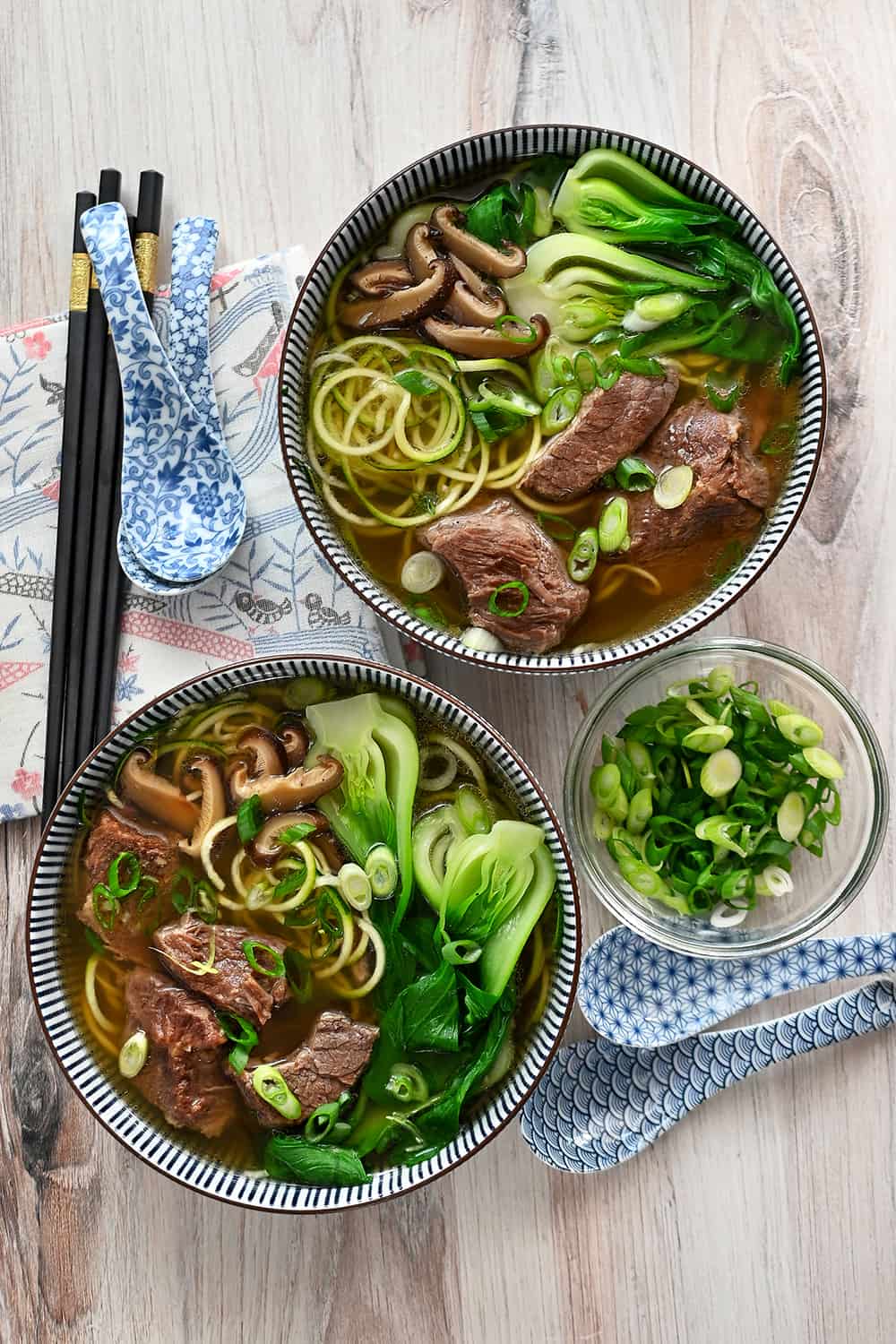
Savoring Tradition: Paleo Keto Chinese Beef Noodle Soup, Instant Pot or Stovetop
There's a special kind of warmth that only a steaming bowl of Chinese beef noodle soup can provide. It's a culinary hug, a dish steeped in comfort and rich, savory flavors. For many, this hearty soup evokes cherished childhood memories, often served as a comforting weekend meal that warms you from the inside out. But what if you could enjoy this classic, deeply satisfying experience without compromising your dietary goals? Enter the Paleo Keto Chinese Beef Noodle Soup, a magnificent creation that is also gluten-free and Whole30 compliant, proving that healthy eating doesn't mean sacrificing flavor or tradition. Whether you prefer the speedy convenience of an Instant Pot or the gentle simmer of a stovetop, achieving this authentic, yet adapted, taste is more accessible than you might think.
This isn't just any ordinary beef noodle soup; it's a testament to how traditional flavors can be lovingly reinvented. Inspired by classic Cantonese preparations, this recipe strips away the common culprits that often make you feel sluggish after a meal – heavy starches and high-sodium sauces – and replaces them with wholesome, nourishing alternatives. The result? A profoundly flavorful, umami-packed broth brimming with tender beef, delivering all the comfort with none of the guilt.
Reimagining a Classic: Paleo Keto Chinese Beef Noodle Soup
The journey to creating a paleo, keto, and Whole30-friendly Chinese beef noodle soup began with a deep nostalgia for the heartwarming bowls served in childhood. The goal was clear: replicate the essence of those Cantonese flavors – a clean, robust, and deeply savory broth – using ingredients compatible with these specific dietary frameworks. This meant a careful selection of aromatics and seasonings, ensuring every element contributed to a truly authentic taste profile without relying on traditional soy sauce, sugary components, or wheat-based noodles.
The magic lies in a meticulously crafted broth, built upon kitchen staples like fresh ginger, garlic, green onions, and earthy shiitake mushrooms. Instead of traditional soy sauce, coconut aminos lend a comparable umami depth, while fish sauce adds another layer of savory complexity. These ingredients work in harmony to produce a broth that is both familiar and exciting, capturing the soul of
Comforting & Healthy Cantonese Beef Noodle Soup. The beef, typically chuck roast, is slow-cooked to melt-in-your-mouth tenderness, infusing the broth with its rich essence. And for the "noodles"? Spiralized zucchini steps in beautifully, offering a light, fresh counterpoint that soaks up all the delicious flavors without adding unwanted carbs or gluten. This isn't the spicy, tomato-infused Taiwanese beef noodle soup, but rather a celebration of a subtler, equally captivating Cantonese style. The beauty of this adaptation is that it doesn't just "make do" with replacements; it creates a delicious dish in its own right, one that you'll crave time and again.
Understanding the Paleo, Keto, and Whole30 Difference
- Paleo: Focuses on whole, unprocessed foods that our ancestors might have eaten, excluding grains, legumes, dairy, and refined sugars.
- Keto: Emphasizes a very low-carb, high-fat, moderate-protein diet to induce ketosis, where the body burns fat for fuel.
- Whole30: A 30-day elimination diet designed to reset eating habits, similar to paleo but with even stricter guidelines, cutting out added sugars, alcohol, grains, legumes, and dairy.
This Chinese beef noodle soup thoughtfully adheres to all these principles, making it a versatile and healthy option for a wide range of dietary needs.
Instant Pot vs. Stovetop: Your Path to Tender Perfection
The heart of any great Chinese beef noodle soup is its unbelievably tender beef, bathed in a rich, aromatic broth. Achieving this level of succulence can be approached in two primary ways, each with its own advantages: the lightning-fast Instant Pot or the traditional, slow-simmering stovetop method. Both yield fantastic results, allowing you to choose the approach that best fits your schedule and kitchen setup.
The Instant Pot Advantage: Speed and Simplicity
For those who prioritize speed without compromising on flavor or texture, the Instant Pot is an absolute game-changer. This electric pressure cooker dramatically reduces cooking time, transforming tough cuts of meat like chuck roast into fork-tender morsels in a fraction of the time. The process is remarkably simple:
- Minimal Effort: You can literally "dump" all your ingredients – cubed chuck roast, water, garlic, ginger, scallions, shiitake mushrooms, coconut aminos, and fish sauce – directly into the Instant Pot.
- Set and Forget: After a quick stir, you seal the lid, set the pressure cook time, and walk away. The Instant Pot handles the rest, building pressure and cooking the beef efficiently.
- Flavor Infusion: The high-pressure environment not only tenderizes the beef rapidly but also deeply infuses the broth with all the aromatic flavors, creating an incredibly rich and umami-packed soup.
- To Blanch or Not to Blanch?: Some traditionalists advocate blanching beef cubes first to remove impurities and ensure a clearer broth. However, for home cooking and especially with the Instant Pot, many find this step unnecessary, as the resulting broth is still wonderfully clean and flavorful.
In just about an hour (including pressure build-up and natural release), you can achieve beef tenderness that typically takes hours on the stovetop. It's a true shortcut to deliciousness, perfect for weeknight meals.
The Stovetop Classic: Slow Simmering for Depth
If you don't own an Instant Pot or simply prefer the traditional method, the stovetop offers a meditative cooking experience that builds incredible depth of flavor over time. This approach allows for gentle extraction of flavors and slow tenderization of the beef:
- Gentle Simmer: Combine all your beef and broth ingredients in a large, heavy-bottomed pot. Bring it to a boil, then reduce the heat to a low simmer, covering the pot.
- Time and Patience: This method typically requires 2 to 3 hours of simmering. The longer the beef gently cooks, the more tender it becomes, slowly releasing its collagen into the broth, enriching its body and flavor.
- Monitoring and Skimming: During this time, you'll want to check on the liquid levels periodically, adding more water if too much has evaporated. This is also the ideal time to skim off any scum or impurities that rise to the surface, ensuring a beautifully clear broth.
- Unparalleled Depth: While longer, the stovetop method often results in a broth with an exceptionally nuanced and complex flavor profile, a reward for your patience.
Regardless of your chosen method, the goal remains the same: fork-tender beef and a deeply flavorful broth, setting the stage for an extraordinary bowl of
Homemade Chinese Beef Noodle Soup: Achieve Restaurant Quality Tender Beef.
Mastering the Broth: Flavors That Sing
The soul of any Chinese beef noodle soup, and especially this paleo and keto rendition, lies squarely in its broth. It's not merely hot water; it's a meticulously crafted liquid tapestry woven with aromatic spices, savory umami notes, and the rich essence of slow-cooked beef. Mastering this element is key to transforming simple ingredients into an unforgettable culinary experience.
Our adaptation leans heavily on fresh, vibrant ingredients to build layers of flavor that are both comforting and complex, without relying on traditional, often non-compliant, additives. Here's a breakdown of the key players and their roles:
- Ginger: Fresh ginger root provides a warm, pungent, and slightly peppery base. Its distinctive aroma is fundamental to Cantonese cuisine, adding a foundational layer of "heat" and brightness.
- Garlic: No savory Chinese dish is complete without the aromatic punch of fresh garlic. It contributes a sharp, pungent sweetness that rounds out the ginger.
- Scallions (Green Onions): Used both in the cooking process and as a garnish, scallions offer a mild, oniony freshness. When simmered, they release a subtle sweetness, and when fresh, they add a crucial crisp bite and visual appeal.
- Shiitake Mushrooms: These dried or fresh mushrooms are powerhouses of umami. Their woody, earthy flavor deeply enriches the broth, providing a savory depth that is truly irreplaceable. Dried shiitake, when rehydrated, often yield an even more concentrated flavor.
- Coconut Aminos: This is your paleo and keto-friendly alternative to soy sauce. Made from the sap of coconut blossoms, it offers a similar savory, slightly sweet, and umami profile without the soy or gluten.
- Fish Sauce: Don't let the aroma of plain fish sauce deter you; when cooked, it transforms into a deeply savory, salty, and umami-rich ingredient that adds an incredible depth and complexity to the broth, enhancing all the other flavors.
When these ingredients are slowly simmered with good quality beef (like chuck roast, which is rich in connective tissue that breaks down into gelatin, adding body to the broth), they create a symphony of flavors. The result is a broth that is savory, slightly sweet, and incredibly aromatic – a robust foundation for your noodles and vegetables. While water is perfectly fine as a base, using a high-quality bone broth could further enhance the nutritional profile and depth of flavor, making your
Cantonese Beef Noodle Soup even more profoundly satisfying.
Practical Tips for Your Paleo Keto Chinese Beef Noodle Soup Experience
Crafting this delicious and healthy Chinese beef noodle soup is a rewarding culinary journey. To ensure your experience is as smooth and delightful as possible, here are some practical tips, insights, and actionable advice.
Make-Ahead and Storage Instructions
One of the best features of this beef noodle soup is its make-ahead potential. The beef soup itself is even better the next day as the flavors have more time to meld and deepen.
- Refrigeration: Once cooled, transfer the beef soup (without the zucchini noodles or bok choy, which are best added fresh) to an airtight container. It will keep beautifully in the fridge for up to four days.
- Freezing: For longer storage, the beef soup freezes exceptionally well. Portion it into freezer-safe containers or bags, leaving some headspace for expansion. It can be stored in the freezer for up to four months. This is perfect for meal prepping and having a quick, comforting meal ready at a moment's notice.
- Reheating:
- Stovetop: Gently reheat the defrosted or refrigerated soup in a pot over medium heat until simmering.
- Instant Pot: For speed, you can reheat refrigerated soup in the Instant Pot for 2 minutes under high pressure, followed by a quick release.
Always add your fresh spiralized zucchini noodles and cooked baby bok choy just before serving to maintain their texture and freshness.
Noodle Alternatives for Paleo & Keto
While spiralized zucchini is the star of this recipe for its texture and fresh flavor, you have other excellent keto and paleo-friendly "noodle" options:
- Shirataki Noodles: Also known as "konjac noodles," these are very low-carb and gluten-free. They have a slightly chewy texture and are excellent at absorbing flavors. Rinse them very well before adding them to your soup.
- Kelp Noodles: These clear, firm noodles are made from kelp and are another fantastic gluten-free, low-carb option. They have a mild, slightly briny flavor and a satisfying crunch.
- Cabbage Ribbons: Thinly slice green cabbage into noodle-like strips for a crunchy, nutrient-dense alternative.
Enhancing Your Bowl: Vegetable Additions and Garnishes
Beyond the essential baby bok choy, consider these additions to boost nutrition and flavor:
- Vegetables: Quick-cooking greens like spinach or napa cabbage can be stirred in at the end. Thinly sliced daikon radish, carrots (in moderation for keto), or even mushrooms beyond shiitake can add more texture and nutrients.
- Garnishes: Fresh garnishes elevate both the visual appeal and the flavor. Don't skip these!
- Fresh Scallions: Sliced thinly, they add a mild oniony bite and bright color.
- Cilantro: A scattering of fresh cilantro provides a burst of herbaceous freshness.
- Sesame Oil: A tiny drizzle of toasted sesame oil just before serving adds a rich, nutty aroma (ensure it fits your specific dietary needs).
- Lime Wedge: A squeeze of fresh lime juice can brighten the entire dish, cutting through the richness.
Ingredient Sourcing: Don't Be Intimidated!
While the ingredient list might appear extensive, most items are now readily available.
- Asian Grocery Stores: These are your best bet for finding specific items like fresh shiitake mushrooms (or dried ones), baby bok choy, coconut aminos, and quality fish sauce.
- Mainstream Supermarkets: Many larger supermarkets now stock coconut aminos, fish sauce, fresh ginger, garlic, and spiralized zucchini.
- Online Retailers: If local options are limited, online specialty stores are excellent resources for harder-to-find compliant ingredients.
Remember, cooking should be enjoyable. Don't be afraid to experiment with slight variations or adjust quantities to suit your personal taste preferences. This recipe is a fantastic template for a healthy, comforting, and deeply flavorful meal.
A Healthier Twist on a Beloved Classic
Creating a paleo, keto, gluten-free, and Whole30 Chinese Beef Noodle Soup truly is a culinary triumph. It successfully marries the beloved, comforting flavors of a traditional Cantonese dish with the requirements of modern health-conscious eating. No longer do you have to choose between indulging in nostalgic comfort food and adhering to your dietary principles. With tender, slow-cooked beef, an incredibly rich and aromatic broth built on wholesome ingredients, and satisfying "noodles" like spiralized zucchini, this soup offers a genuinely nourishing and delicious experience. Whether you opt for the efficiency of the Instant Pot or the methodical patience of the stovetop, you're guaranteed a deeply satisfying meal. This recipe proves that traditional flavors can be beautifully adapted, offering a comforting embrace that warms the body and soul without making you feel weighed down. So, go ahead, slurp up this incredible soup and rediscover a classic in a whole new, healthier light.